

What Is Webbing/ribbon?
Webbing/Ribbon is a strong, narrow woven fabric strip made from natural fibers (such as cotton) or synthetic materials (such as polyester and nylon). It is widely used in industries ranging from apparel and fashion to military, medical, and outdoor equipment due to its durability, flexibility, and load-bearing capacity.
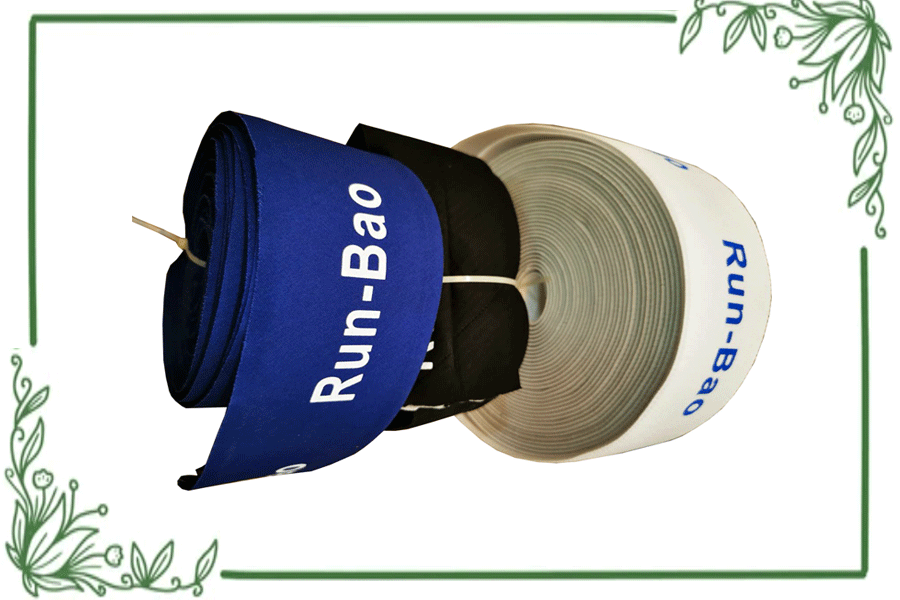
Types of Webbing and Their Applications
1. Apparel and Garment Accessories
Webbing is commonly used in clothing for both functional and decorative purposes:
• Woven Labels and Tags: Size labels, brand labels, and care instructions
• Decorative Webbing: Hoodie drawstrings, side stripes on sportswear, jacket piping
• Functional Straps: Adjustable straps for outdoor jackets and performance wear
2. Footwear and Headwear
• Shoelaces for sneakers and leather shoes
• Decorative Shoe Straps
• Cap Straps (adjustable closures for hats)
• Shopping Bag Handles
3. Fashion Accessories
• Fabric belts
• Lanyards and ID badges
• Woven wristbands (events, staff identification)
• Mobile phone straps
4. Outdoor Gear, Bags, and Luggage
Webbing is essential for load-bearing and durability:
• Backpack shoulder straps and handles
• Luggage securing straps
• Hiking gear (harness systems, tent straps, sleeping bag straps)
• Camera straps and utility slings
5. Pet Products and Gift Packaging
With the rapid growth of the pet industry:
• Pet collars and leashes
• Decorative gift ribbons and packaging straps
6. Medical and Military Applications
Medical Use
• Ventilator mask straps
• Surgical fixation straps
• Tourniquets and elastic bandages
Military and Safety Use
• Tactical vest webbing
• Parachute straps
• Automotive seat belts
• Ballistic gear components
Webbing Printing Technologies
Modern webbing can be customized using advanced roll-to-roll printing systems, enabling high-efficiency mass production.
1. Screen Printing on Webbing
How It Works
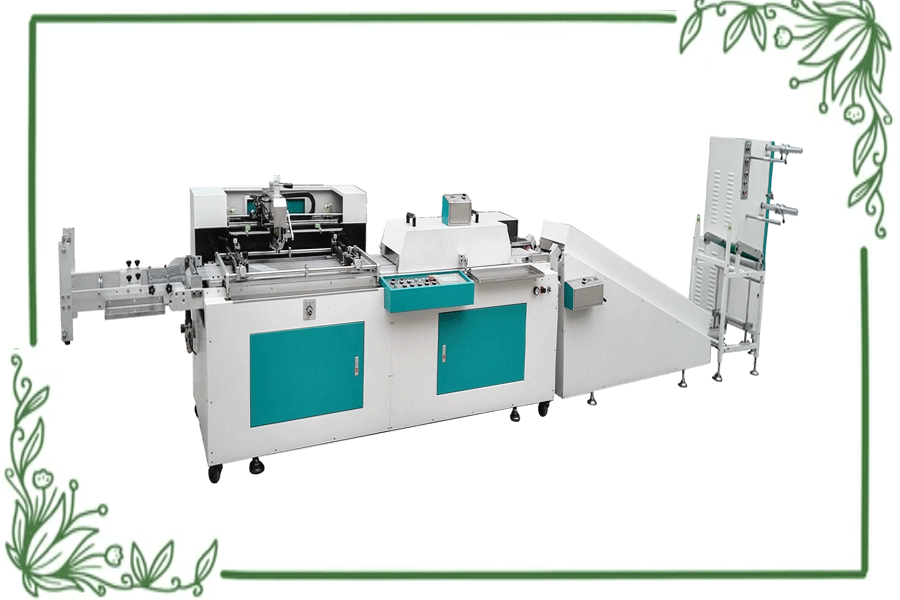
Roll-to-roll screen printing is a fully automated process designed for continuous webbing production. The system integrates:
• Unwinding
• Printing
• Drying
• Rewinding
Key Features
• High-precision registration (±0.02–0.05 mm with CCD alignment)
• Multi-color printing capability
• Stable tension control system
• IR, UV, or hot air drying options
Advantages
• High color saturation
• Strong ink adhesion
• Ideal for logos and bold designs
2. Hot Stamping on Webbing
Process Overview
Hot stamping applies metallic foil or glossy finishes onto webbing using heat and pressure.
Production Methods
• Standalone hot stamping machines
• Integrated systems (screen printing + hot stamping) — recommended for best results
Material Compatibility
• Polyester: performance
• Nylon: Requires special additives
• Cotton: Limited suitability
Applications
• Luxury brand logos
• Sportswear branding
• Decorative trims (e.g., wedding garments)
• Premium gift packaging
Advantages
• Metallic and 3D visual effects
• High-end appearance
3. Sublimation Heat Transfer on Webbing
How It Works
1. Design is printed on transfer paper using water-based ink
2. Heat and pressure transfer the design onto the webbing
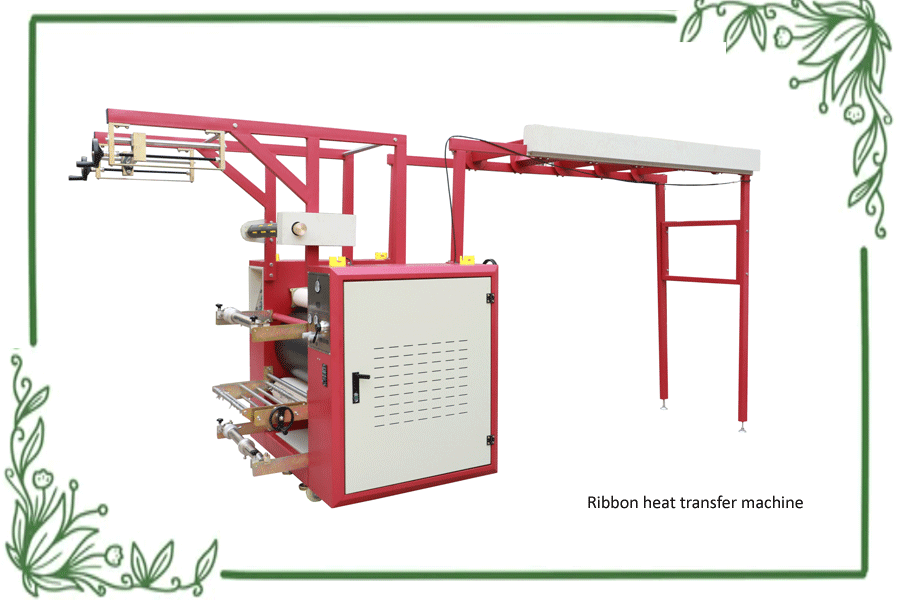
Equipment Structure
• Heated steel rollers
• Pressure blankets for uniform transfer
Advantages
• Excellent for photo-quality and gradient designs
• Eco-friendly (water-based inks)
• High design flexibility
Limitations
• Lower color saturation compared to screen printing
• Slight color loss during transfer
Comparison of Webbing Printing Methods
Method Advantages Best Applications
Screen Printing High saturation, durability Logos, solid color designs
Hot Stamping Metallic, premium finish Luxury branding and decorative trims
Sublimation Transfer Full-color, detailed graphics Gradients, photo-quality designs
How to Choose the Right Webbing Printing Method
• Choose screen printing for durability and bold branding
• Choose hot stamping for premium and luxury effects
• Choose sublimation transfer for complex, colorful designs
Conclusion
Webbing is a versatile and essential material across multiple industries. With the advancement of automated printing technologies, manufacturers can now achieve high-quality customization at scale. Selecting the right material and printing method is critical to ensuring product performance, durability, and visual appeal.
